

Fuel Prices Are Rising — What That Means for Small Truck Capacity
Fuel prices are climbing again, and across the industry, that usually leads to increased pressure on transportation costs.
In early March, that shift happened fast. According to the U.S. Energy Information Administration, the national average diesel price jumped from $3.90 to $4.86 per gallon in a single week — a nearly $1 increase (~25%). That increase wasn’t isolated. Every region across the country saw significant movement, with major markets pushing close to — or above — $5 per gallon.
This kind of jump doesn’t just impact cost. It changes how capacity behaves — especially in small truck freight.
Fuel Is Changing Carrier Behavior — Not Eliminating Capacity
When fuel increases quickly, capacity doesn’t disappear. It becomes more selective.
Carriers start adjusting how they operate:
- Prioritizing loads that minimize empty miles
- Avoiding out-of-route pickups
- Focusing on freight that keeps them efficient throughout the day
The trucks are still out there. But they’re no longer available for just any move.
Networks like Expedite All see this shift in real time — not as a loss of capacity, but as a change in how it needs to be sourced.
What That Means for Brokers and Shippers
This shift doesn’t always show up as immediate rate increases. It shows up in execution:
- Fewer options for the same shipment
- Longer time to secure coverage
- More variability in pricing
- Increased reliance on whatever capacity is available
And that’s where costs start to creep in — not because the market is empty, but because you’re forced into less efficient choices.
This is where working with a large network like Expedite All helps — giving you access to more than just the first available truck.
Where Costs Actually Increase
In a fuel-driven market, the biggest cost driver isn’t always the rate itself. It’s how the load is covered.
When options are limited:
- You book a truck that’s further away
- You pay for extra miles you didn’t need
- You settle for equipment that isn’t the right fit
The load moves — but not efficiently. And over time, that’s what impacts your margins.
Why Network Matters More Than Ever
This is where the gap between sourcing strategies becomes clear. If you’re relying on:
- Limited carrier options
- One-off coverage
- Load boards as your primary source
You’re more likely to take what’s available — not what’s optimal.
But when you have access to a dependable partner like Expedite All:
- You see multiple options at once
- You can choose trucks that are already positioned correctly
- You reduce unnecessary miles and avoid overpaying
That’s how you stay competitive, even when fuel costs are rising.
Staying Competitive in a Rising Fuel Market
Fuel is increasing costs across the entire industry — that part isn’t avoidable. What is controllable is how much of that impact reaches your business.
With the right approach, you can:
- Maintain consistent coverage
- Avoid major spikes in spot rate pricing
- Reduce inefficiencies that drive unnecessary cost
That’s the difference between reacting to fuel increases and actively managing through them.
How Expedite All Supports That
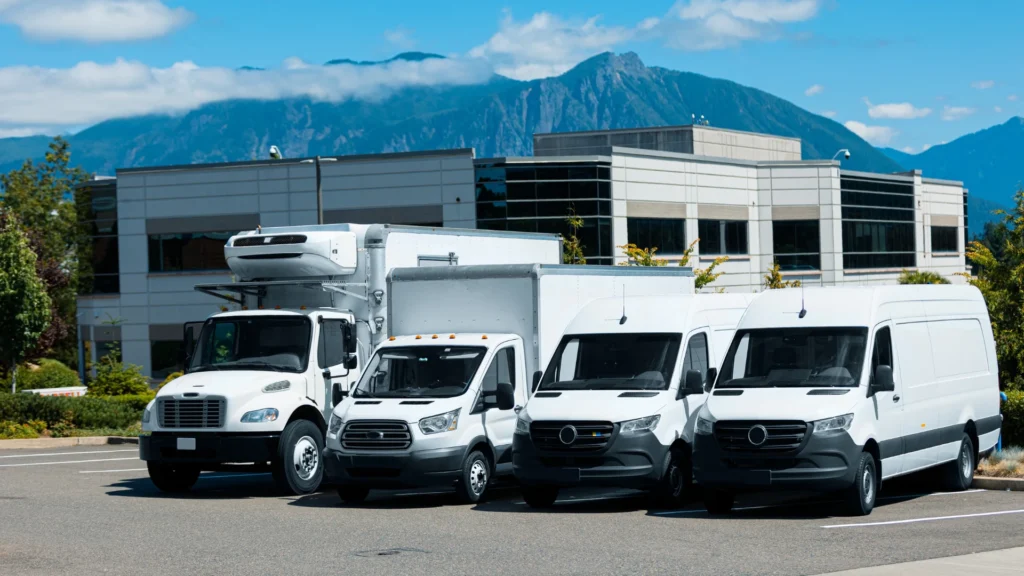
Expedite All’s nationwide network of over 12,000 cargo vans, box trucks, and straight trucks is built to provide both coverage and flexibility.
That means:
- More available options per shipment
- The ability to source efficiently — not just quickly
Instead of defaulting to whatever capacity is available, customers can make smarter decisions that keep costs competitive — even in volatile conditions.
Bottom Line
Fuel prices are rising — and that affects the entire market. But higher costs aren’t just driven by fuel itself.
They’re driven by how efficiently you access capacity. With a network like Expedite All, you’re not just reacting to market pressure — you’re navigating it with better options, better positioning, and more control over cost.
You May Be Interested In
Booking Delays Are Delivery Delays — ‘Book Now’ Feature Solves It
Some shipments simply can’t wait. The nature of such freight often leaves no room for endless price negotiations and calls for an immediate pick-up. Such scenarios include: Why Traditional Booking Slows You Down The standard freight booking process often isn’t built for speed. Brokers scrambling to cover an urgent load may find their direct carrier […]
The Impact of AI on Efficiency and Operations in Logistics
Technology has been the driving force of the economy since the invention of the wheel—the first self-propelled vehicle, personal computer … and finally, artificial intelligence (AI). The latter has emerged as a truly transformative force across various industries, in particular in the logistics sector…